Support our park
Animal Adoption
Adopt one of our animals and make a real difference.
When you purchase an adoption for yourself or a loved one, you receive a fantastic package that lasts all year and makes a big difference to our endangered animals here at Bridlington Animal Park.
Your purchase actively supports our vital conservation programmes and helps pay for special animal treats, toys, bedding, health checks, food bills, heating and more.
We offer three adoption packages and a large selection of wonderful animals to befriend:
Adoption pack
BRONZE
£35
Adoption pack
SILVER
£50
Adoption pack
GOLD
£100
Adoption pack
PLATINUM
*Capybara & Meerkat only*
£150
Animals you can adopt
Capybara
The capybara is the largest rodent on earth. They are semi-aquatic mammals found throughout much of Northern and Central South America. They are closely related to guinea pigs and more distantly to chinchillas and agouti.

Meerkat
Meerkats are members of the mongoose family which are famous for being able to catch venomous snakes as they are immune to most small reptile and invertebrate venom. They have a slender body, a tapered tail and long thin legs. They have distinct pointed faces with black-rimmed eyes and effective camouflage.

Arctic Fox
The arctic fox is an incredibly hardy animal that has to withstand freezing Arctic temperatures as low as –70°C. To survive in these harsh conditions they need specialised adaptions. Their main feature is their thick, white coat which maintains their body temperature at around 40°C, and helps them camouflage into the snow.

Fennec Fox
The fennec fox is the smallest of the world’s foxes, and can be found inhabiting sandy deserts and semi-deserts in North Africa. These small canids are prevalent throughout the Sahara from Morocco to Sinai and Arabia. They prefer sandy deserts and arid areas with scrub or desert grasses.

Raccoon
The raccoon is the largest member of the Procyon family found naturally in north American and Canada, however they have rapidly spread throughout Europe and are now classed an invasive species because of their impact on native ecosystems. Three of the raccoon’s most distinctive features are its extremely dexterous front paws, its facial mask, and its ringed tail.

Tortoise
A Tortoise is a land-dwelling reptile of the order Testudines. Tortoises, like their aquatic cousins, the Turtles, have a hard shell which protects their body. The top shell is called the carapace and the bottom is called the plastron.

Otter
The Asian short clawed otter is native to South and Southeast Asia and is the smallest otter species.

Flamingo
These distinctive birds have long legs and hooked bills; their long legs allow them to wade deeper into water than other birds. They feed by holding their beak upside down and filtering the algae and crustaceans out of the water.

Raven
Ravens are the largest member of the Corvid (crow) family and substantially bigger than the crow, which is the second largest. In some cultures, ravens are seen as a harbinger of death. In fact, ravens are highly intelligent birds with a playful and mischievous nature, and the ability to feel empathy with each other. They mate for life.

Serval
Meet the serval, one of Africa’s most beautiful wild cats! With their big ears, long legs and gorgeous spotted fur, servals are truly special. These playful, energetic cats can leap high into the air to catch their prey. Adopt a serval today and help care for these amazing animals!

Kookaburra
The laughing kookaburra is so-called because of its laughing call which it uses to demarcate its territorial borders. The call is often heard at dawn and it is this which given rise to another of the kookaburras names, the Bushman’s clock.

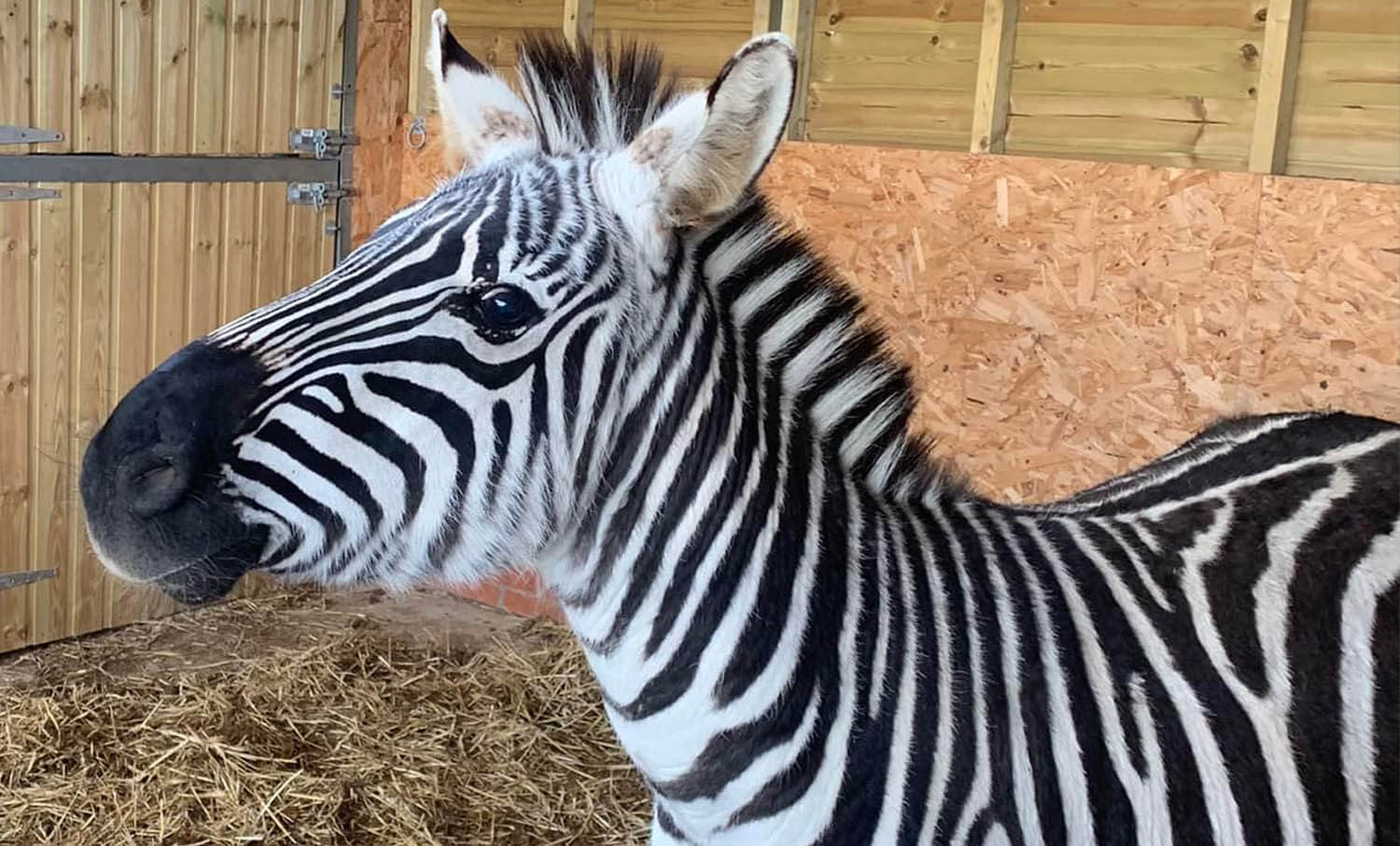
Zebra
Grant’s zebra is the smallest of the seven sub species of plains zebra. They are usually found living in central and southern Africa in countries such as Kenya, Tanzania and Zambia. Grant’s zebras have vertical stripes on front, horizontal stripes on their back legs and diagonal stripes in between. The patterns are unique to each zebra almost like a fingerprint and can be used to identify indivuals.
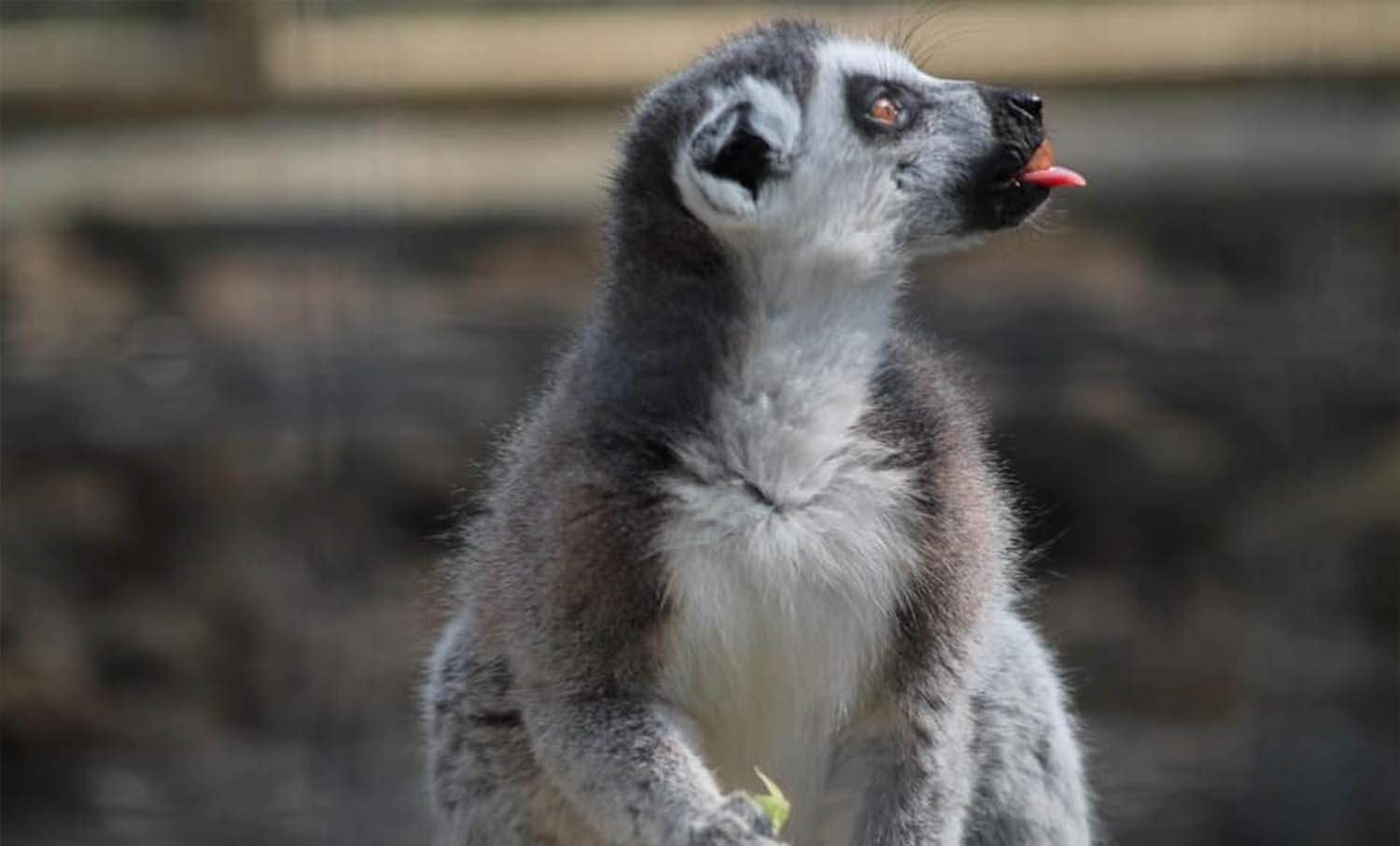
Lemur
Ring tailed lemurs gained their name because of the alternating black and white bands on their tails, each lemur should have 26 individual bands; they use their tail to keep in touch and to signal to each other. Ring tailed lemurs are very sociable, living in large family groups of up to 30 individuals in which the females are dominant, a trait shared with other species of lemurs.